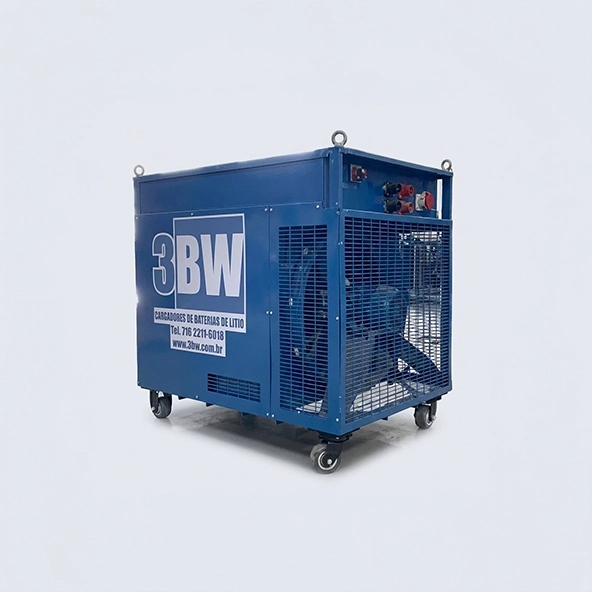
Small Load Banks
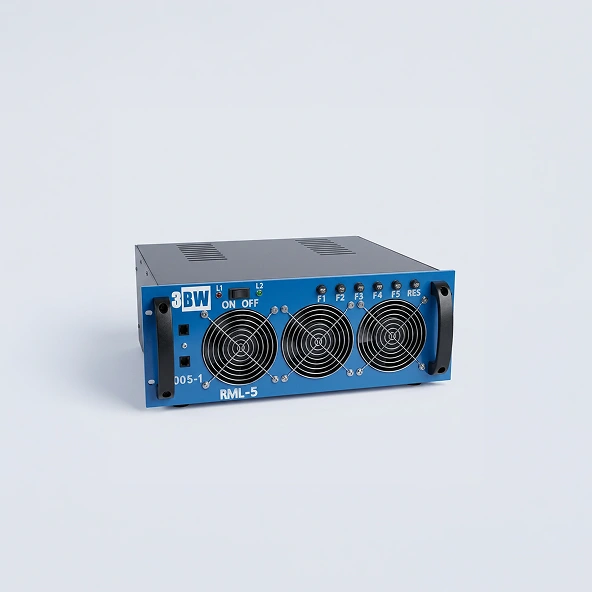
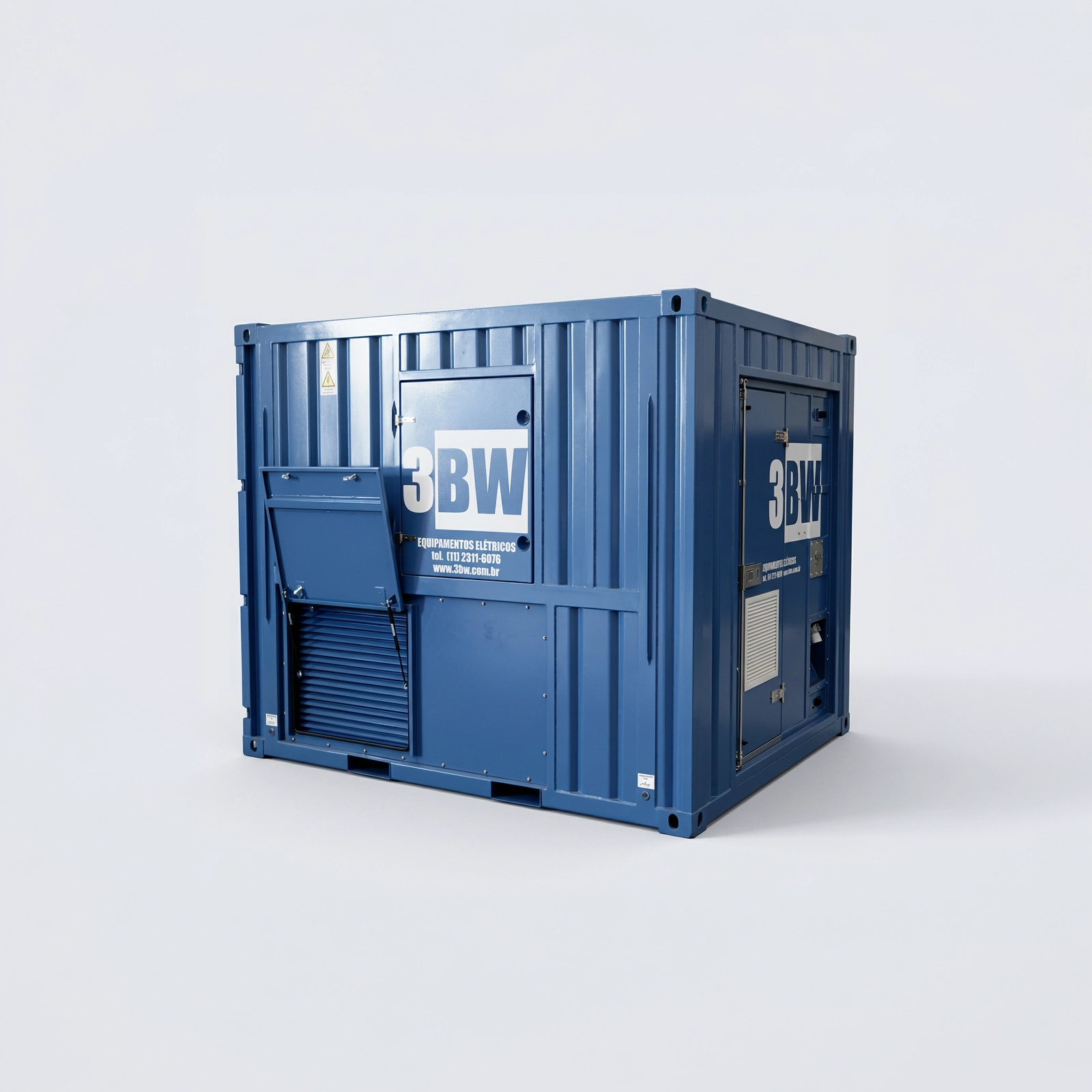
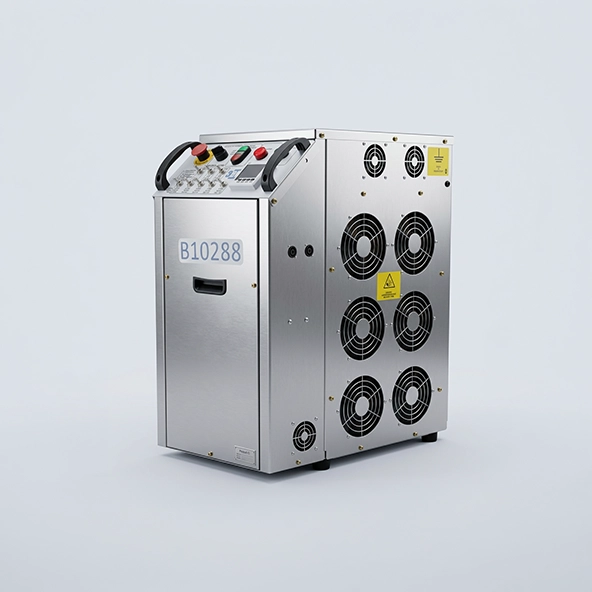
Small load banks in the range of 240 kW to 700 kW are equipment designed for controlled simulation of electrical load in low and medium power energy systems. Using predominantly resistive load, these banks enable safe and stable reproduction of real load behavior, being suitable for continuous, stepped, or stress regime tests. Developed for critical infrastructure applications, these equipments are robust, versatile, and capable of operating in both indoor and outdoor environments, supporting typical conditions of construction, commissioning, and maintenance.
Load banks of 240 kW to 700 kW are widely used in Data Centers, industrial facilities, hospitals, airports, critical buildings, and emergency power systems. Their main applications include testing of generator sets, UPS, low-voltage transformers, transfer panels (ATS/STS), electrical panels, busbars, and complete electrical distribution systems. These equipments are indicated for performing Factory Acceptance Test (FAT), Site Acceptance Test (SAT), Pre-Commissioning, Equipment-Level Commissioning, Subsystem Testing (Level 3 / Level 4 Commissioning), and periodic operational tests. In generator tests, they enable validation of effective power, voltage and frequency stability, dynamic response to load variation, and performance under continuous operation. In UPS systems, they enable autonomy, bypass, charger, inverter, and battery bank tests, as well as failure and redundancy simulations in N, N+1, or parallel architectures. They are also widely employed in integrated electrical subsystem testing, ensuring that different components operate in a coordinated manner before final operation.
- Power ratings of 200 to 700 kW to operate with voltage up to 480V
- Power switches stepped in 5% increments
- Adapted for outdoor operation in rain
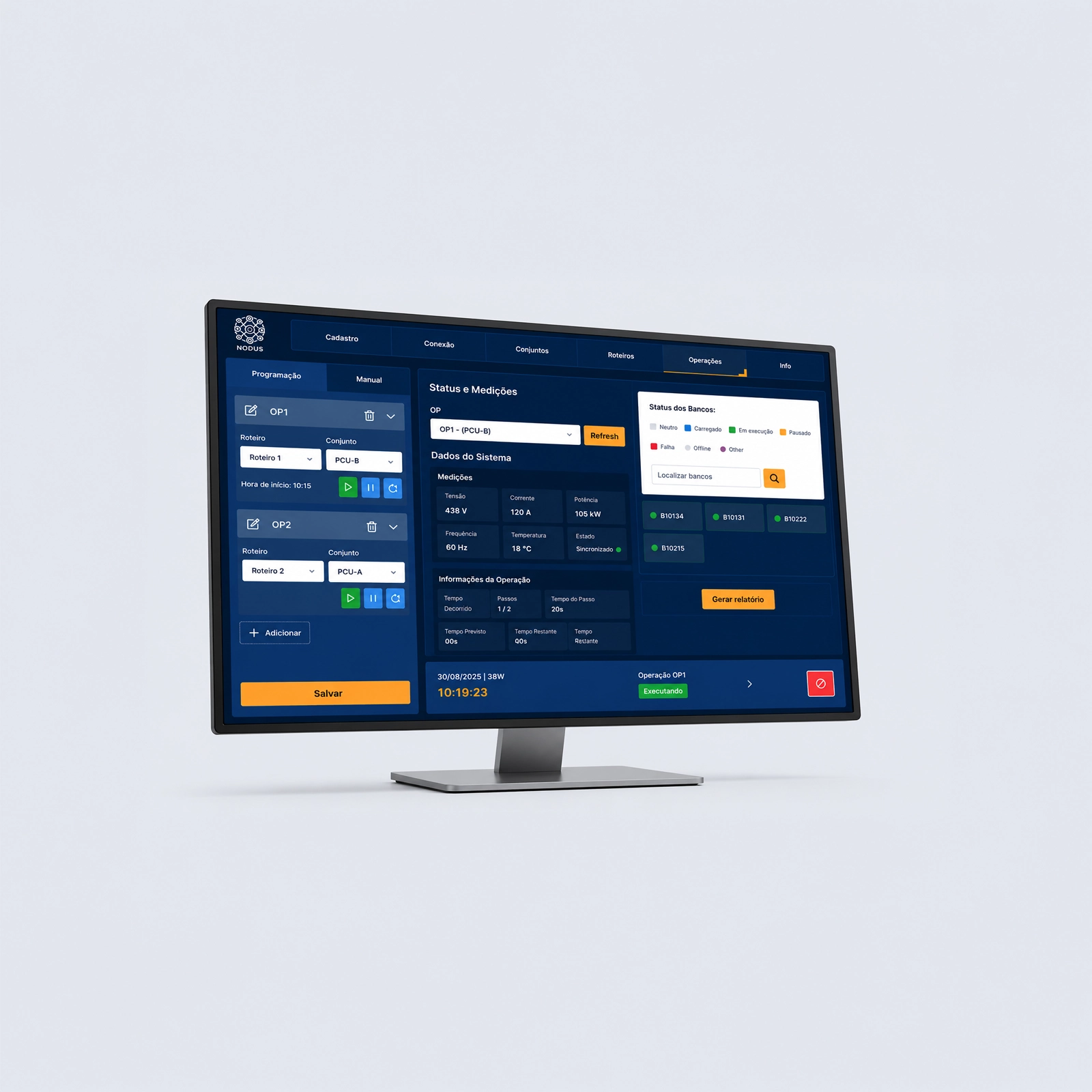
- Three-phase digital multimeters for continuous monitoring of voltage, current, frequency, and power
- Power cable connection through camlok-type connectors
- Equipped with casters for easy movement
- Reduced dimensions with maximum width of 82 cm and maximum height of 2 meters to enable transit through standard corridors and doors
- Option to switch command voltage to external or use the test source itself as power supply