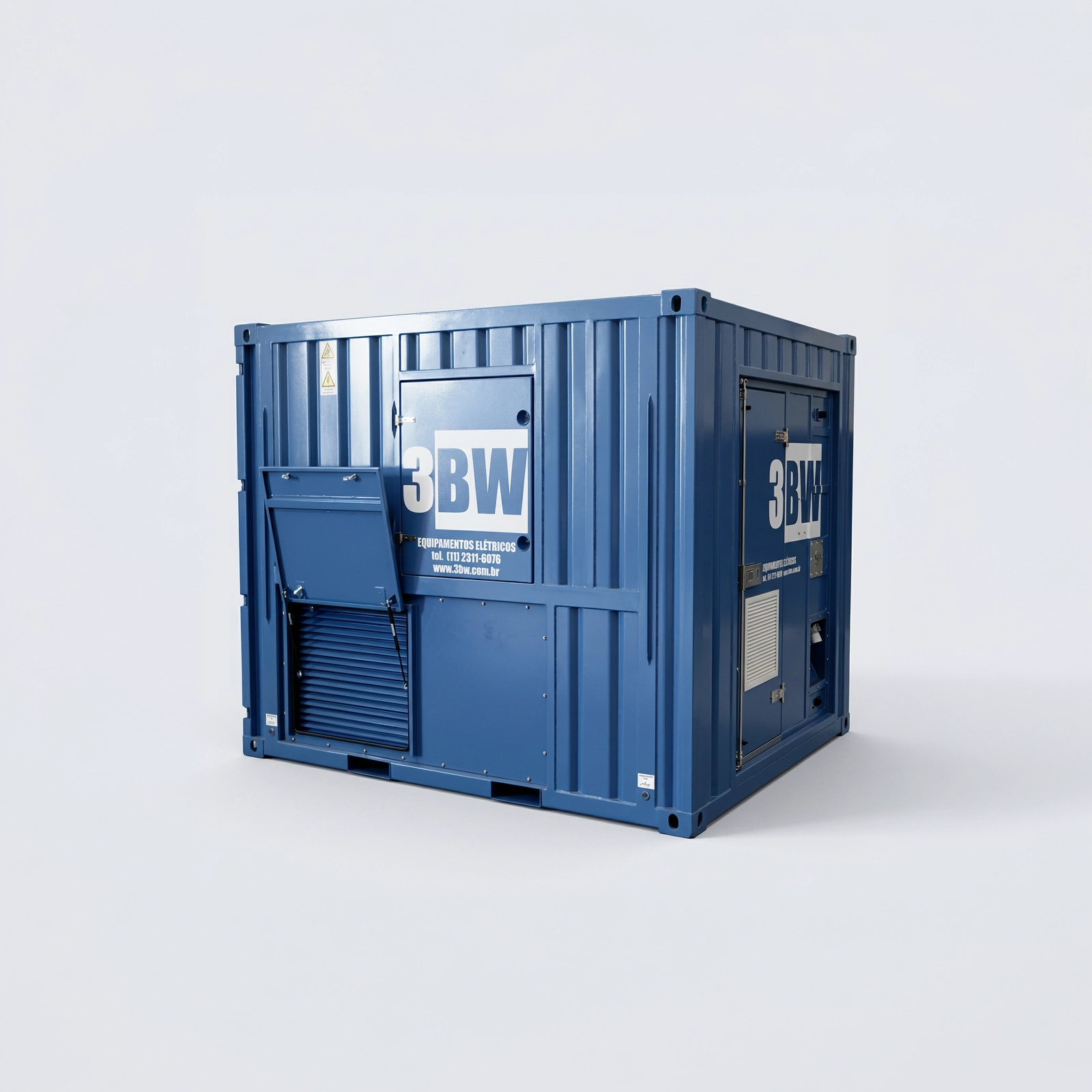
Resistive & Inductive Load Banks
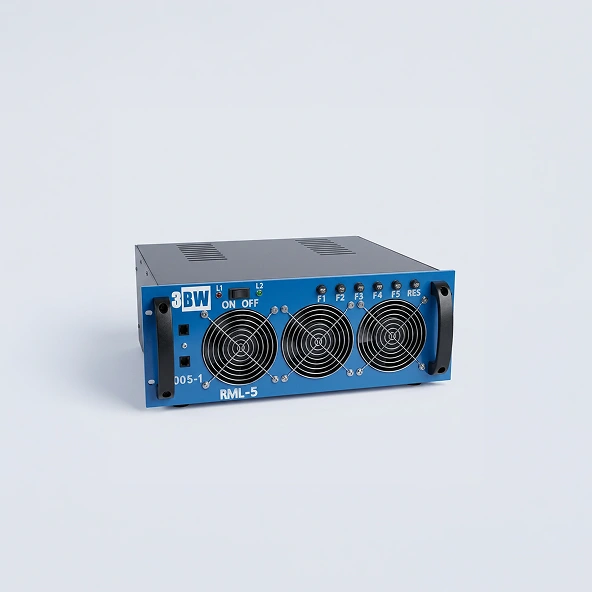
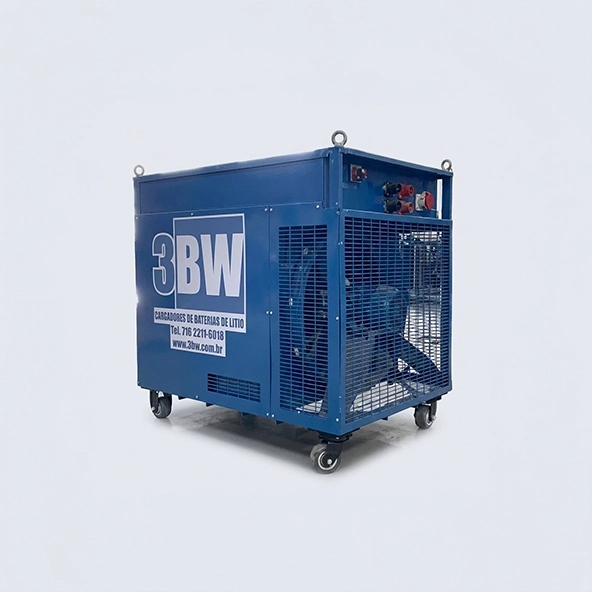
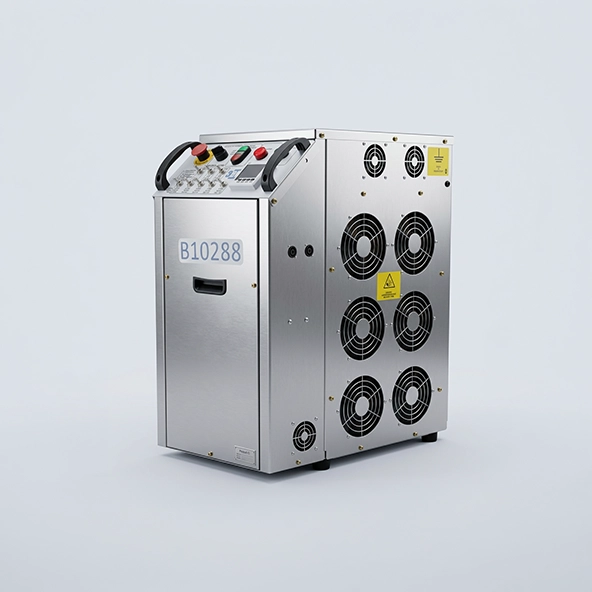
Load banks with power factor control are equipment designed to simulate, in a precise and controlled manner, resistive and reactive loads, enabling adjustment of power factor according to the actual profile of electrical loads in the installation. Unlike purely resistive banks, these equipments enable application of loads with adjustable power factor, typically inductive or combined, reproducing with greater fidelity the behavior of IT systems, motors, power electronics, and non-linear loads present in critical environments. These banks can operate independently or in parallel with multiple units, expanding the power range and test complexity, being suitable for operation in outdoor environments.
Load banks with power factor control are widely used in Data Centers, industrial facilities, power plants, hospital environments, airports, and critical infrastructures, where simple application of resistive load is insufficient to validate the actual performance of electrical systems. They are especially indicated for testing of generator sets, UPS, parallel systems, transformers, low-voltage substations, ATS/STS systems, and more complex electrical architectures. These equipments are employed in Factory Acceptance Test (FAT), Site Acceptance Test (SAT), Pre-Commissioning, Equipment-Level Commissioning, Subsystem Testing (Level 3 / Level 4), and also in Integrated Systems Testing (IST), when it is necessary to simulate real operating conditions with power factor different from 1.0. In generator tests, they enable validation of equipment capacity under different load conditions, evaluating thermal performance, voltage stability, excitation control, fuel consumption, and dynamic response to inductive or combined loads. In UPS systems, they enable testing of inverter, rectifier, and filter behavior under loads more representative of the final environment, including verification of operating limits, efficiency, and alarms. Paralleling of multiple banks expands test coverage, enabling validation of N, N+1, 2N architectures and complex failure and recovery scenarios.
- Load type: Resistive / Reactive combined, with power factor control
- Adjustable power factor: typically from 0.8 to close to 1.0, controlled via SIGMA system
- Operating voltage: up to 480 V (three-phase AC)
- Frequency: 50 Hz and 60 Hz
- Electrical configuration: three-phase, suitable for industrial and Data Center system tests
- Construction: 10-foot ISO container, fully enclosed and climate-controlled for safe operation
- Cooling: forced ventilation with high-capacity axial fans and vertical hot air discharge
- Typical noise level: approximately 85 dBA at 3 meters
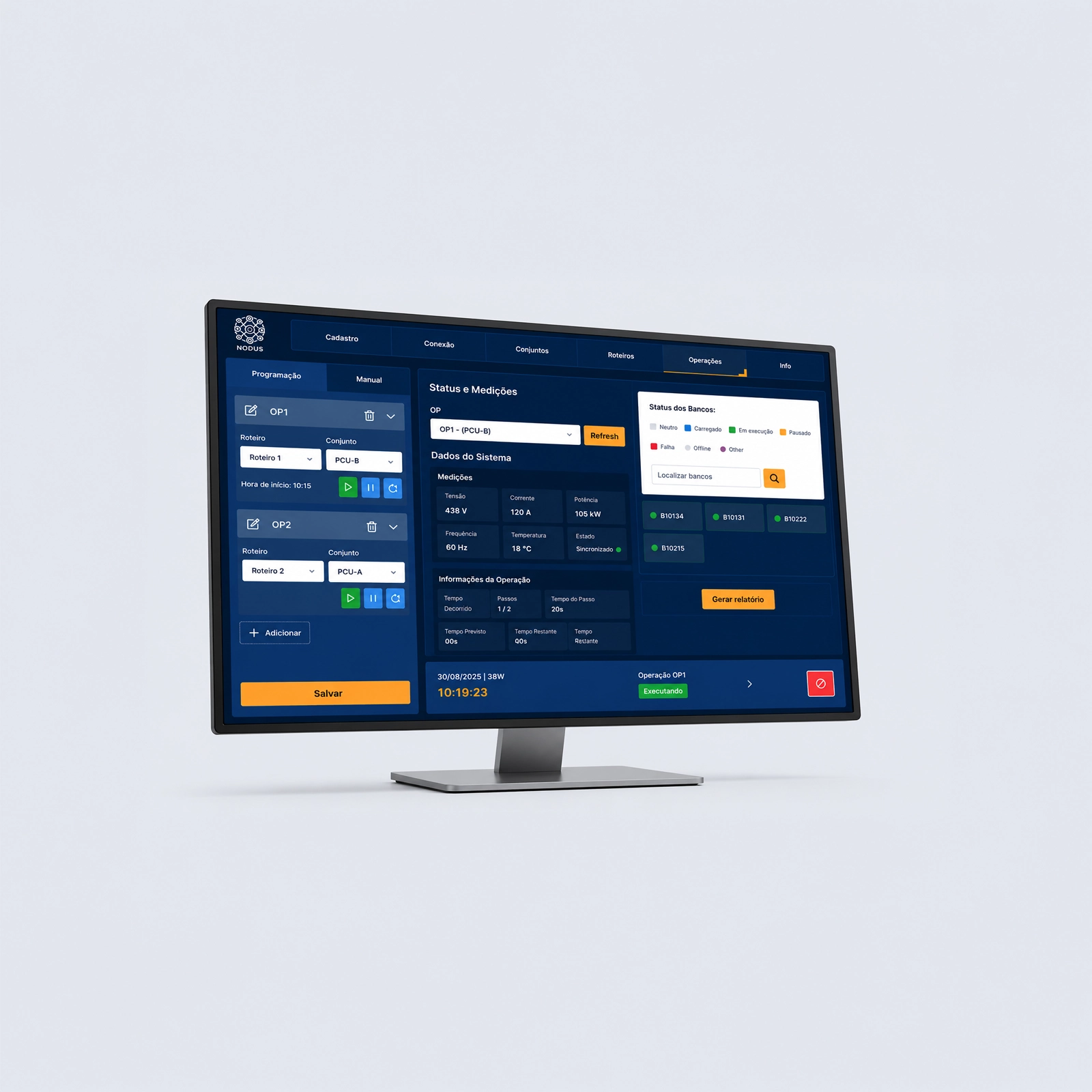
- Control system: SIGMA Control System, with local HMI, remote control, data acquisition, and test history
- Paralleling: ability to operate in network with other banks with SIGMA system, enabling very high power tests and complex architectures
- Operating environment: fully suitable for indoor and outdoor use, with weather protection
- Safety: segregated compartments for power, control, and connection, long-life resistive elements, and integrated thermal protections