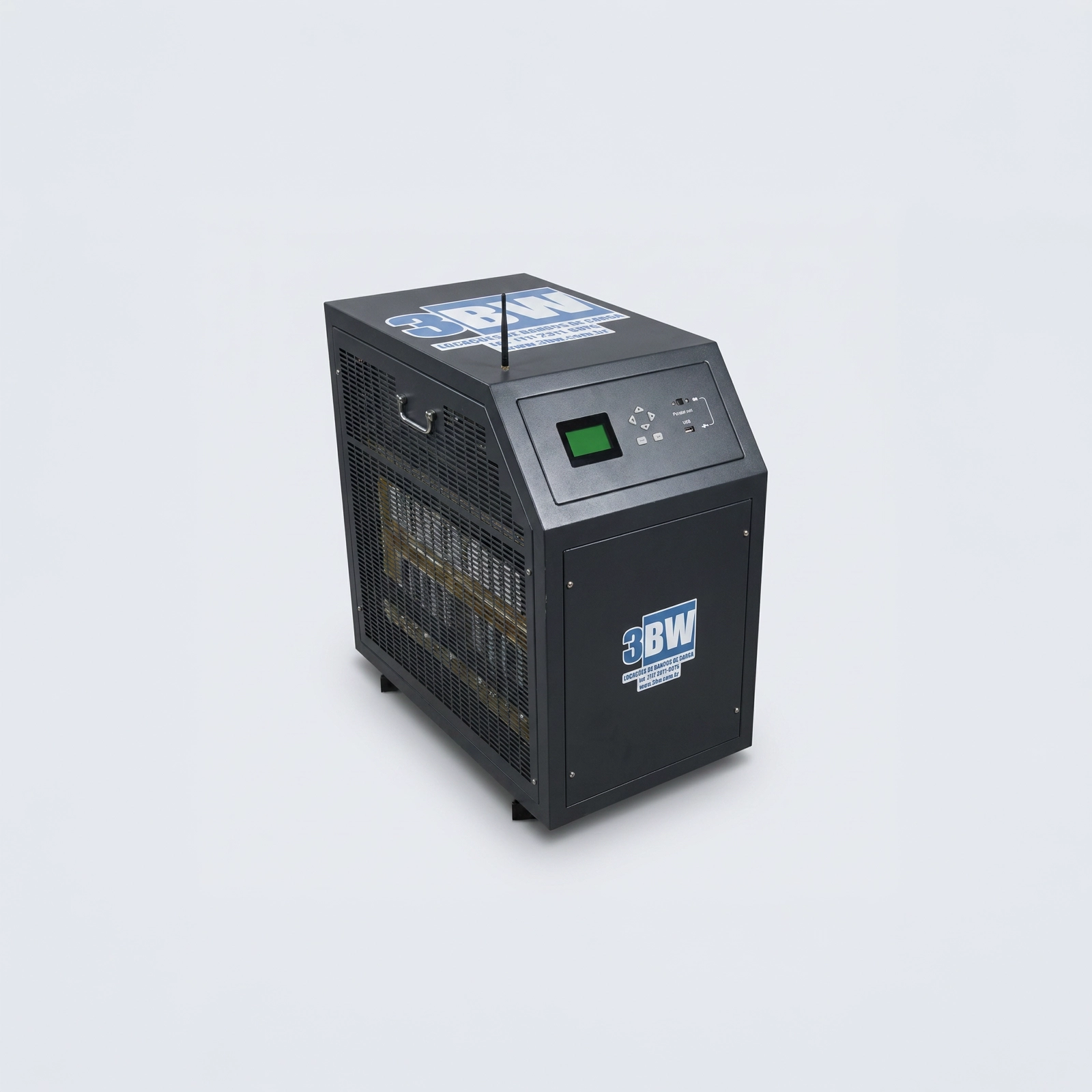
Resistive DC Load Bank
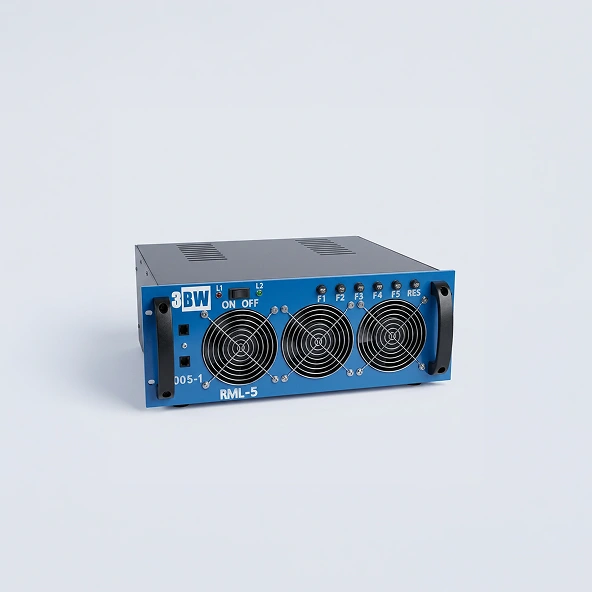
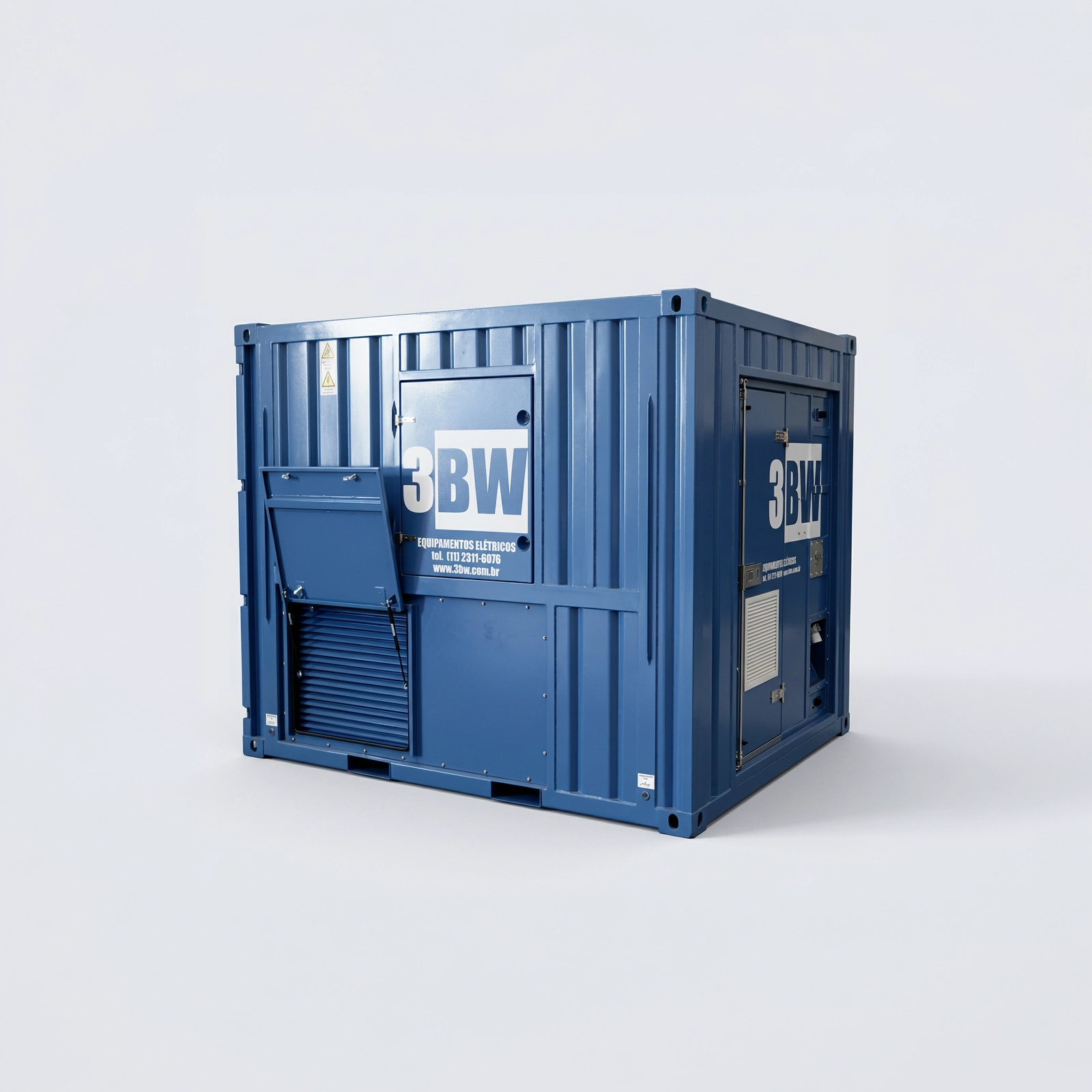
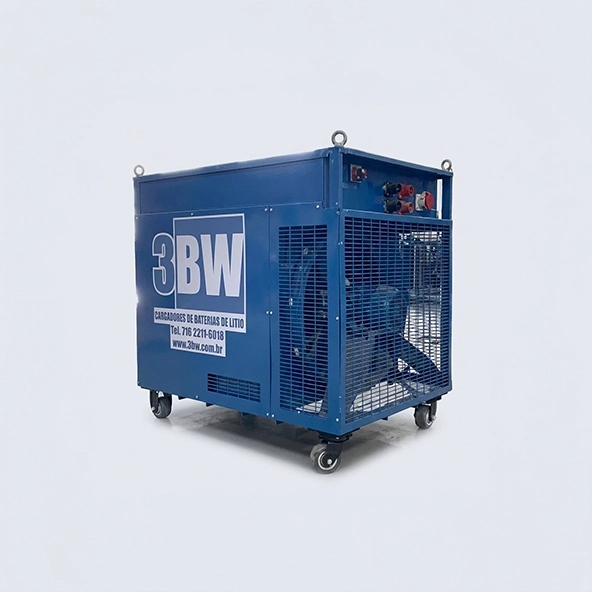
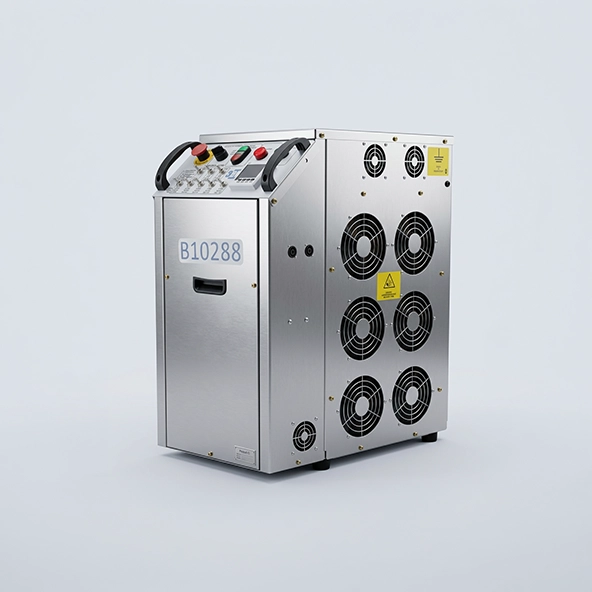
DC (Direct Current) load banks are equipment designed for controlled simulation of electrical loads in systems that operate exclusively in direct current voltage, enabling precise and stable application of current and power over extended periods. These banks are normally composed of high-precision resistive elements with fine load control, enabling tests at different voltage and current levels according to the system under evaluation. Mobile and modular equipment with the possibility of paralleling multiple units, expanding total test capacity. The equipment is designed for safe operation in indoor environments.
DC load banks are widely used in Data Centers, telecommunications, industrial facilities, power plants, transportation systems, DC substations, and critical infrastructures using DC power supply. Their main applications include testing of battery banks (VRLA, Li-ion, Ni-Cd), rectifiers, chargers, DC bus UPS systems, telecom power systems, photovoltaic systems, and charging stations. These equipments are indicated for battery testing, enabling validation of actual capacity, autonomy, discharge curves, voltage stability, and thermal behavior under continuous load. In rectifiers and DC systems, they enable testing of nominal capacity, ripple, efficiency, control, alarms, protections, and N or N+1 redundancy. The use of DC load banks ensures that systems are capable of supporting critical load before operation, reducing risks and failures in high-availability environments.
- Command voltage with independent power supply: 100/240 Vac, 600 VA
- Cooling: forced ventilation with horizontal air outlet
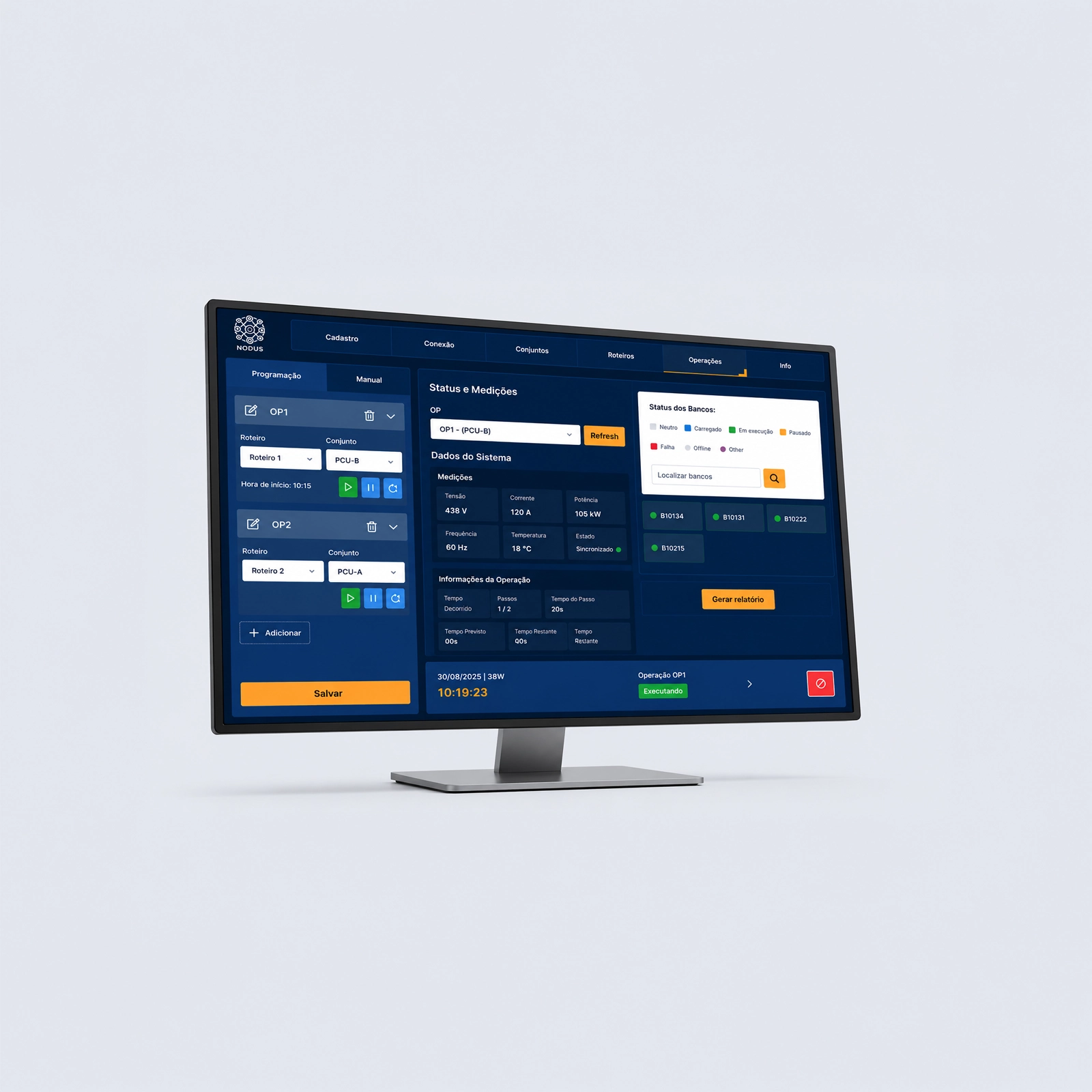
- System monitoring
- Conditions for automatic discharge interruption:
- Discharge time
- Discharge capacity
- Set voltage
- Continuous discharge when previous discharge was abnormally interrupted
- Parallel operation with other units for capacity increase
- Ability to monitor instrumentation of other load banks
- High precision in data measurement and waveforms
- Safety circuits to prevent battery damage during operation
- Automatic protection against overheating, overload, and overvoltage
- Software for data analysis and report generation (optional)