Automation of Large-Scale Sudden Load and Unload Testing
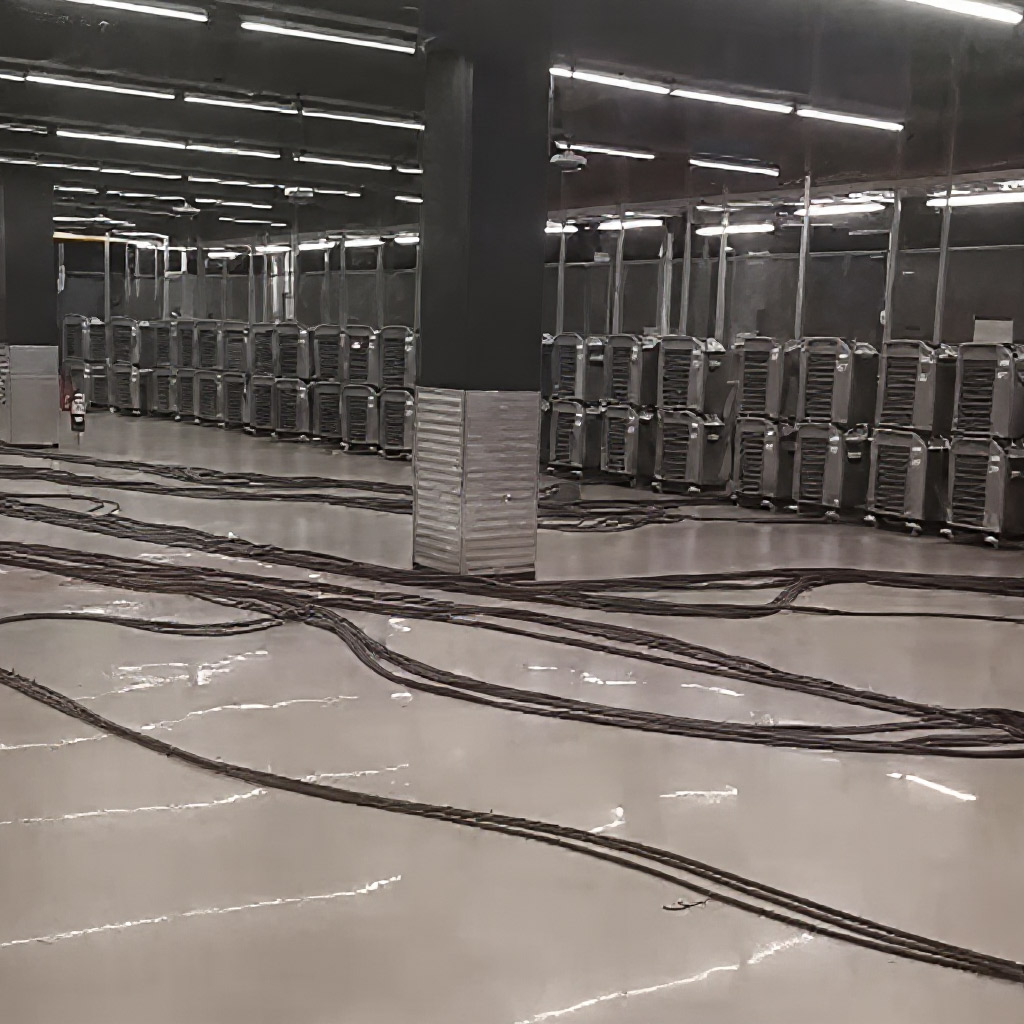
In Data Center commissioning operations, there are scenarios where the challenge isn’t just applied power, but test dynamics. Some protocols require abrupt variations — 0 to 100% and 100% to 0 — to validate system response to instantaneous load changes. It’s a sensitive, repetitive process needing to occur simultaneously across dozens or hundreds of equipment.
A major sector player decided at one point to no longer use our 40 kW banks, requesting we send only imported 100 kW equipment. The demand caught attention because 40 kW electrical performance had always met client requirements. Investigation into the reason revealed the real bottleneck: it wasn’t a power issue — it was an operational one.
Sudden load tests depended on the Master Load switch, allowing 100% load application or removal instantaneously. The problem is this command is manual. In environments using 40, 50, or even over 100 equipment simultaneously, simply needing to physically actuate the switch made the procedure impractical. Additionally, attempts to work around operation, cutting command power to simulate sudden drop didn’t work with 40 kW banks, which, for safety, require pressing the START button when restarted to enter operation.
In other words: the limitation came not from equipment, but from the operation method.
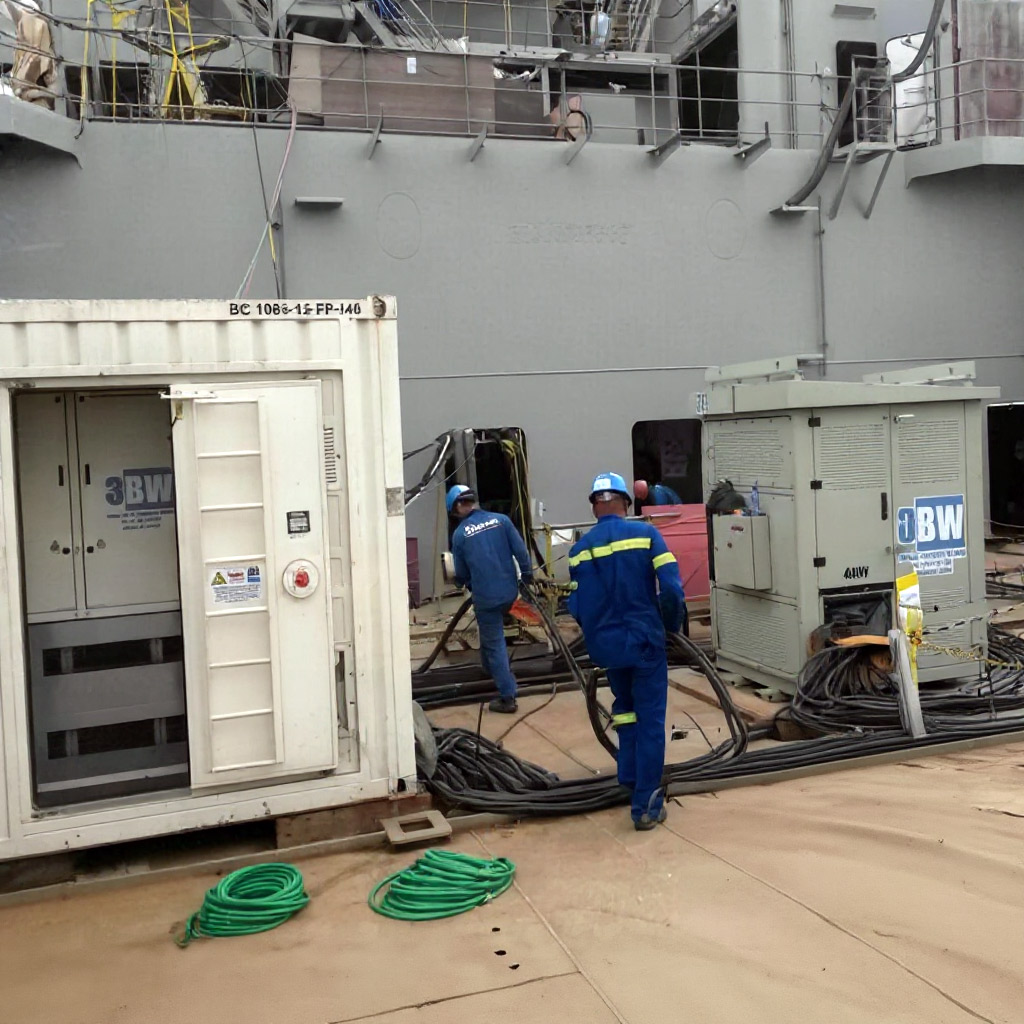
From this diagnosis, 3BW developed a specific solution for this commissioning type. The result was a Master Load remote operation system based on a command console connected to banks through a chain architecture. The solution controls up to 250 equipment simultaneously, divided into up to 24 independent groups, each capable of executing sudden load tests in coordinated, safe, and reproducible manner.
This approach completely eliminated manual intervention need and restored the client’s ability to execute large-scale tests without compromising methodology, pace, or safety. What previously required dozens of operators became a centralized, precise procedure compatible with environment requirements.
This case shows an important point: when we receive a negative, we don’t insist — we investigate. We evaluate the problem with precision and create the solution that the scenario demands, in practical, creative, and functional manner.