Offshore Operation in Severely Restricted Environment
Offshore projects present limitations nonexistent in terrestrial environments. Access is restricted, logistics are slow, space is limited, and any adjustment requires precise coordination among multiple teams. Executing a load test under these conditions means dealing with long routes, specific anchor points, and safety requirements making each step more complex than in a conventional Data Center. An operation that needed to happen on a platform, with all inherent environmental difficulties.
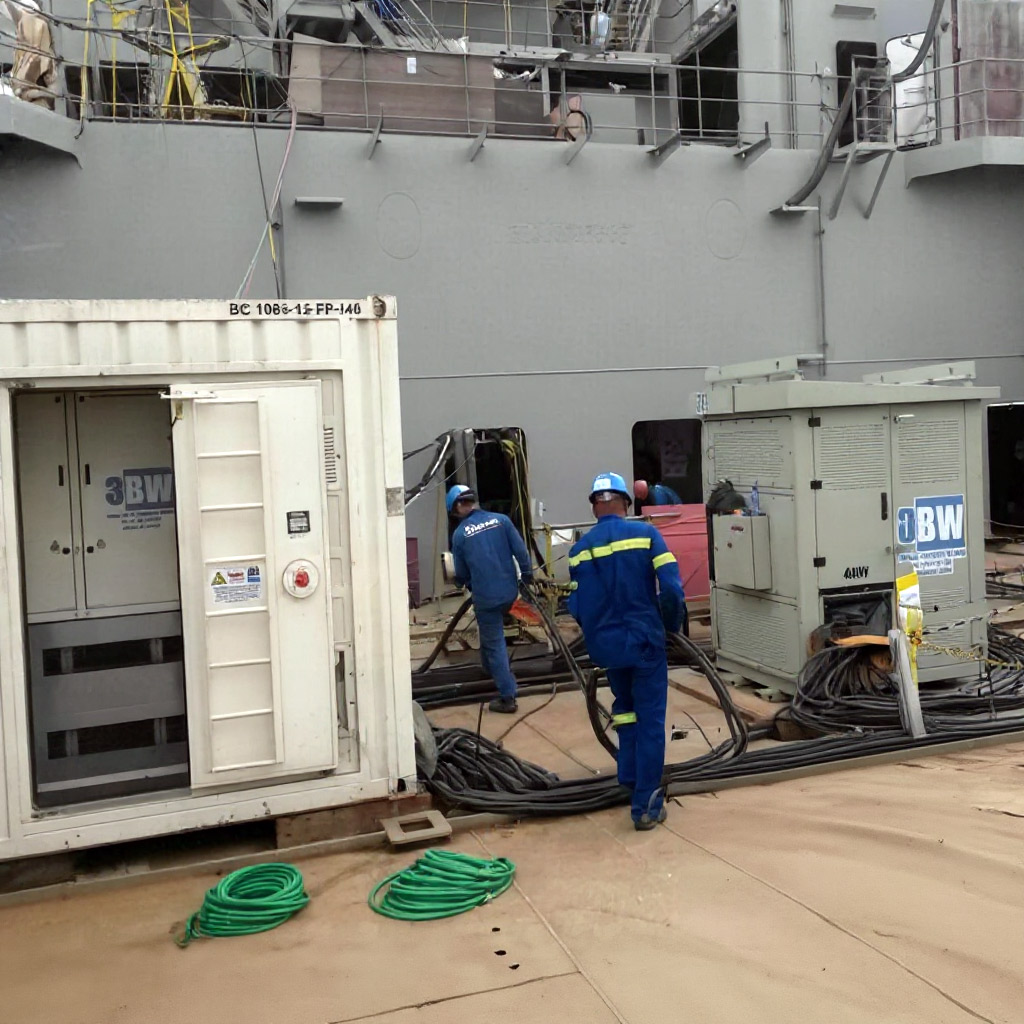
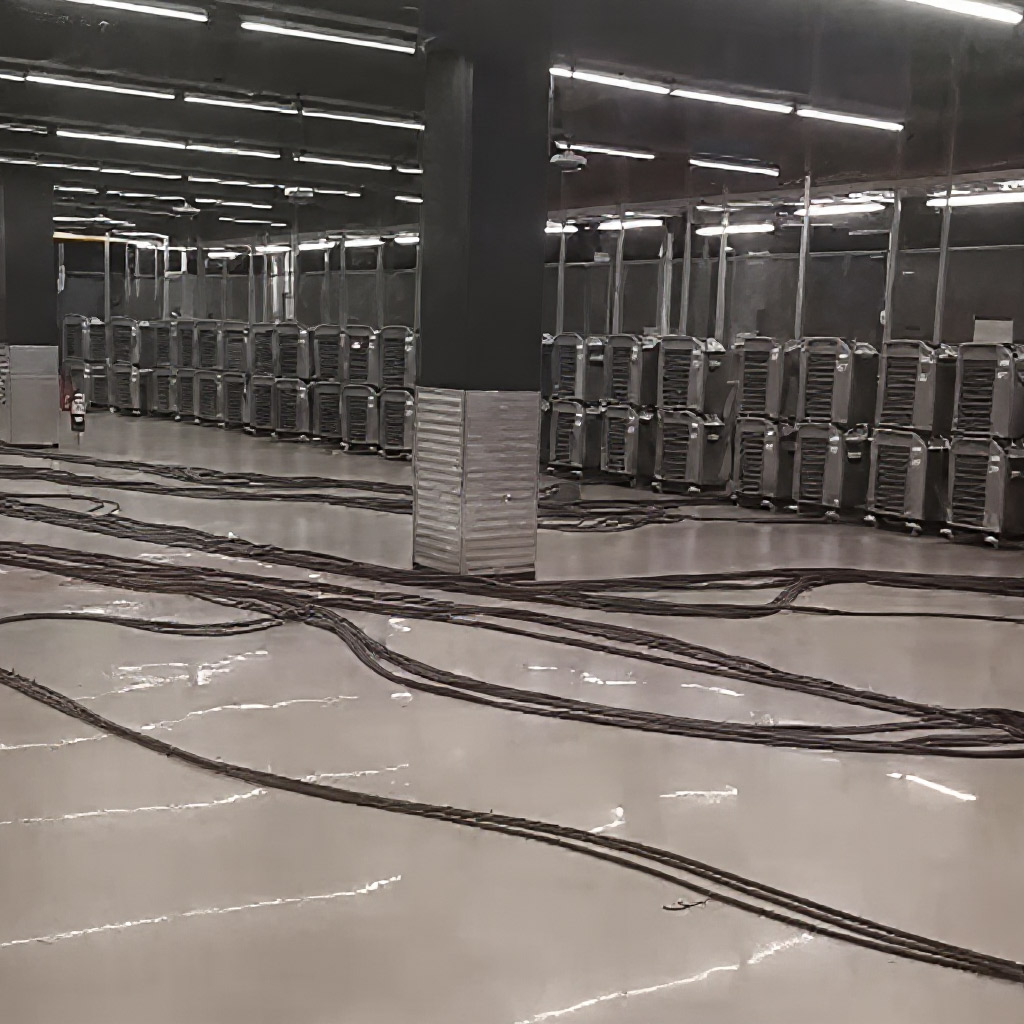
The first barrier emerged at equipment arrival itself. The load bank needed to be received at the helipad — the only viable access point — and from there, moved through narrow technical paths. Cable passage required over 150 meters of installation, crossing confined sections, level changes, and areas where the route wasn’t obvious. Beyond distance, each meter traveled had to respect rigid safety and anchoring criteria typical of offshore operations.
The test required operation at 690 V, an uncommon voltage. Without electrical compatibility, the test simply wouldn’t happen. The scenario demanded immediate, reliable technical solution with no room for improvisation.
Our response involved sourcing, validating, and delivering a 690 V step-down transformer in record time, guaranteeing test stability and safety. With proper equipment and established cable routes, operation could proceed without interruption, even within logistics, space, and infrastructure restrictions typical of offshore environments.
The test was completed successfully, maintaining continuity and meeting necessary technical criteria.
In cases like this, adaptability and rapid technical response make the test viable. Don’t waste time with uncertainties, choose a company that assumes your project’s responsibilities. Trust 3BW.