Large Load Banks
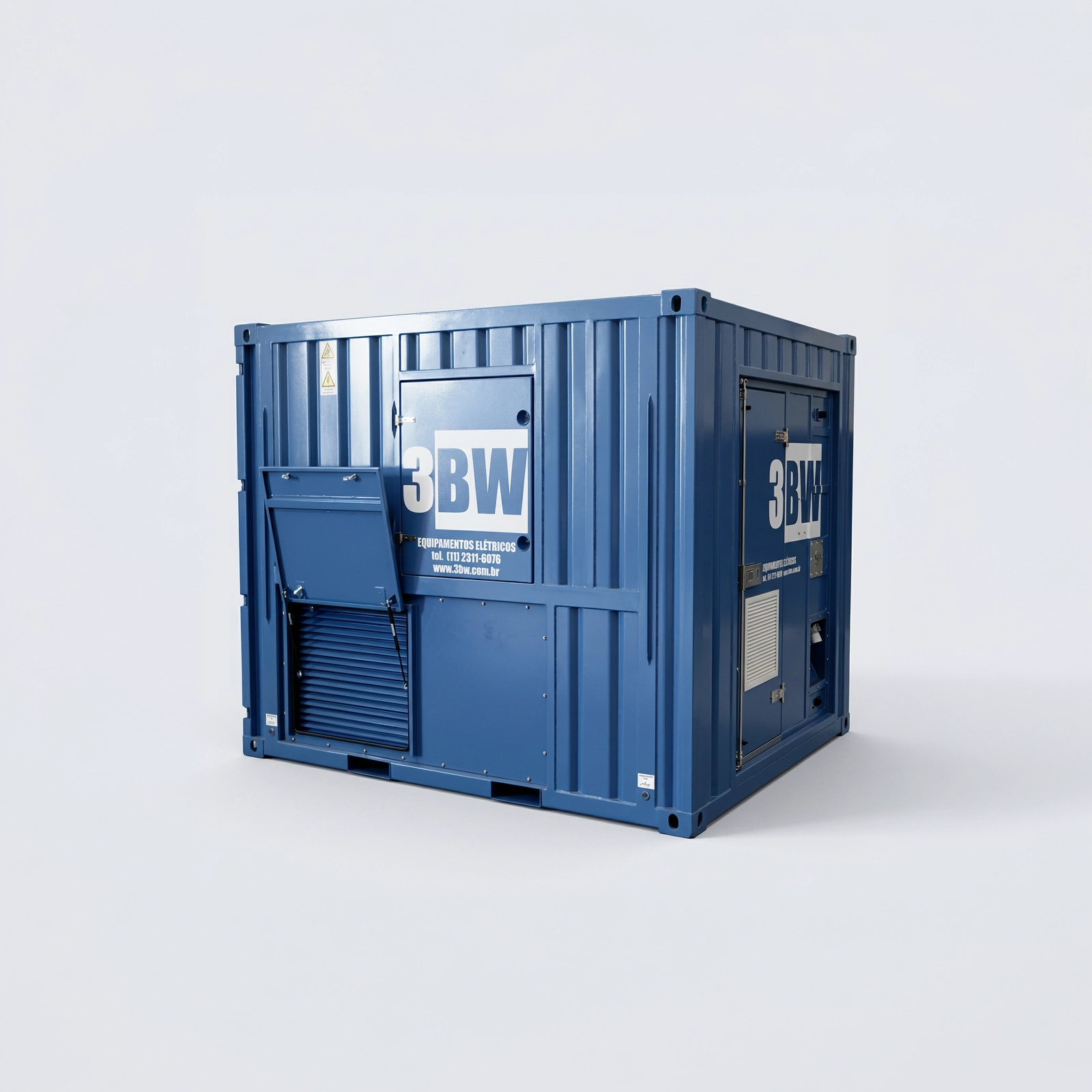
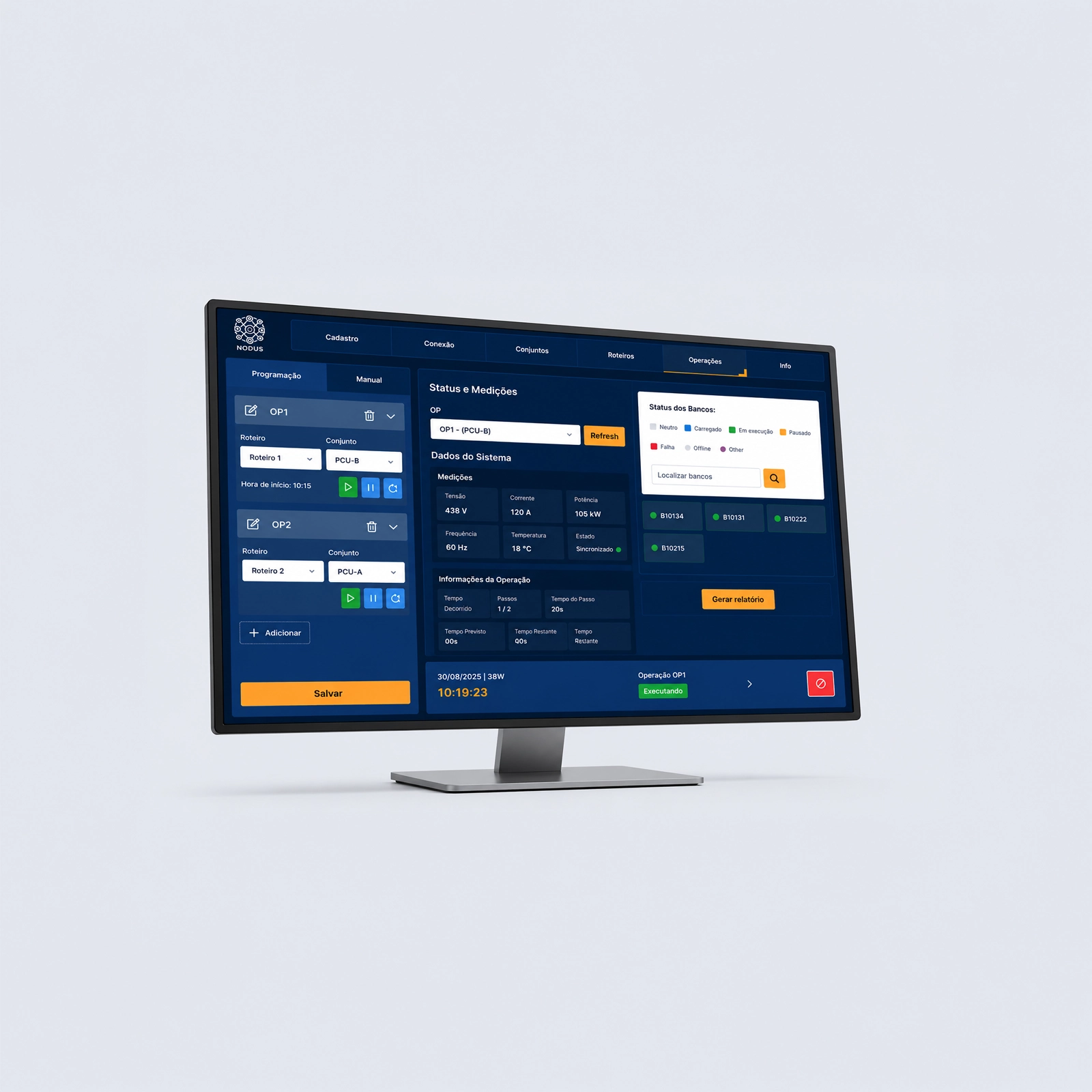
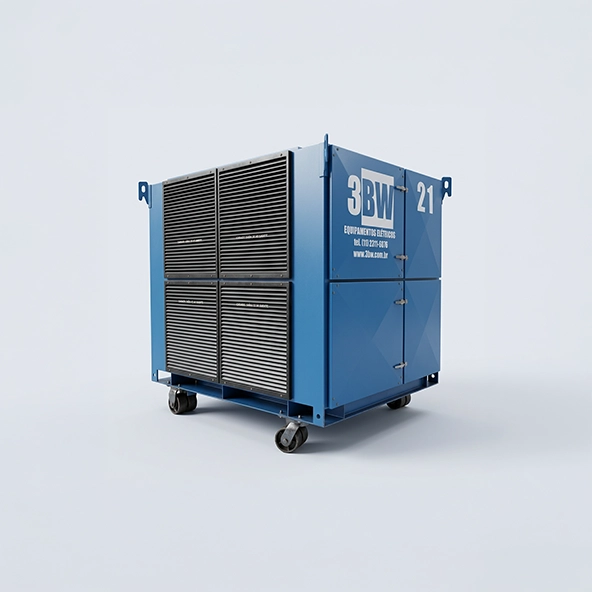
Large load banks with capacities between 1,000 kW and up to 3,300 kVA with power factor 0.8 are designed for execution of high-power tests in critical electrical systems. Their modular architecture enables paralleling of multiple units, significantly expanding available total power and enabling tests in complex, redundant, and distributed systems. Equipment is designed for safe and reliable operation, supporting severe conditions typical of commissioning, acceptance tests, and prolonged stress testing.
Large load banks are widely used in large-scale Data Centers, hyperscale installations, substations, industrial plants, large hospitals, airports, modular Data Centers, critical campuses, and power generation and distribution systems. Their applications encompass testing of large-power generator sets, modular or centralized UPS systems, parallel generation systems, low-voltage substations, associated medium-voltage panels, main busbars, ATS/STS systems, as well as complete electrical distribution systems. These equipments are indicated for a wide range of tests, including Factory Acceptance Test (FAT), Site Acceptance Test (SAT), Pre-Commissioning, Equipment-Level Commissioning, Subsystem Testing (Level 3 / Level 4), and also Integrated Systems Testing (IST) in environments where real IT load is not yet available or must be complemented by artificial load. Paralleling of multiple banks enables execution of N, N+1, 2N, and active parallelism architecture tests, as well as simulation of critical events such as abrupt load rejection, automatic transfers, module failures, bypass tests, and operation recovery. In the context of generator testing, banks of 1,000 kW to 3,300 kVA enable validation of nominal and continuous power, voltage and frequency stability, dynamic behavior, fuel consumption, and prolonged operation. In large-scale UPS systems, they enable complete autonomy, efficiency, charger, inverter, and parallel operation tests.
- Power ratings of 1,000 to 2,500 kW to operate with voltages up to 480V
- Power switches stepped in 5% increments
- Adapted for outdoor operation in rain
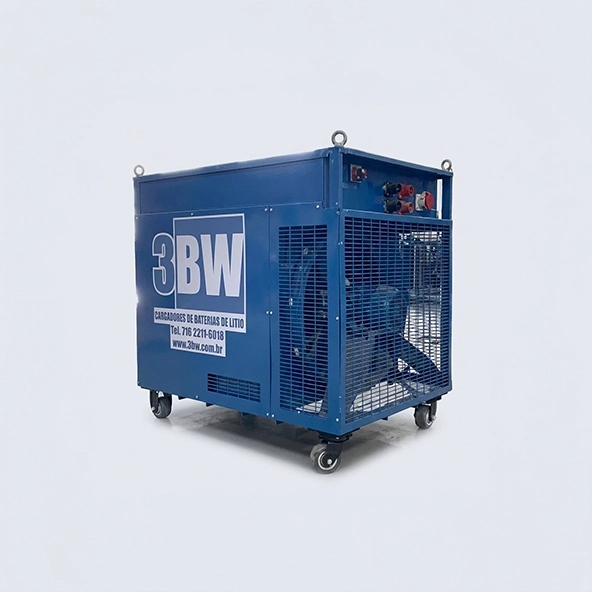
- Power cable connection through camlok-type connectors
- Equipped with casters for easy movement
- Option to switch command voltage to external or use the test source itself as power supply